
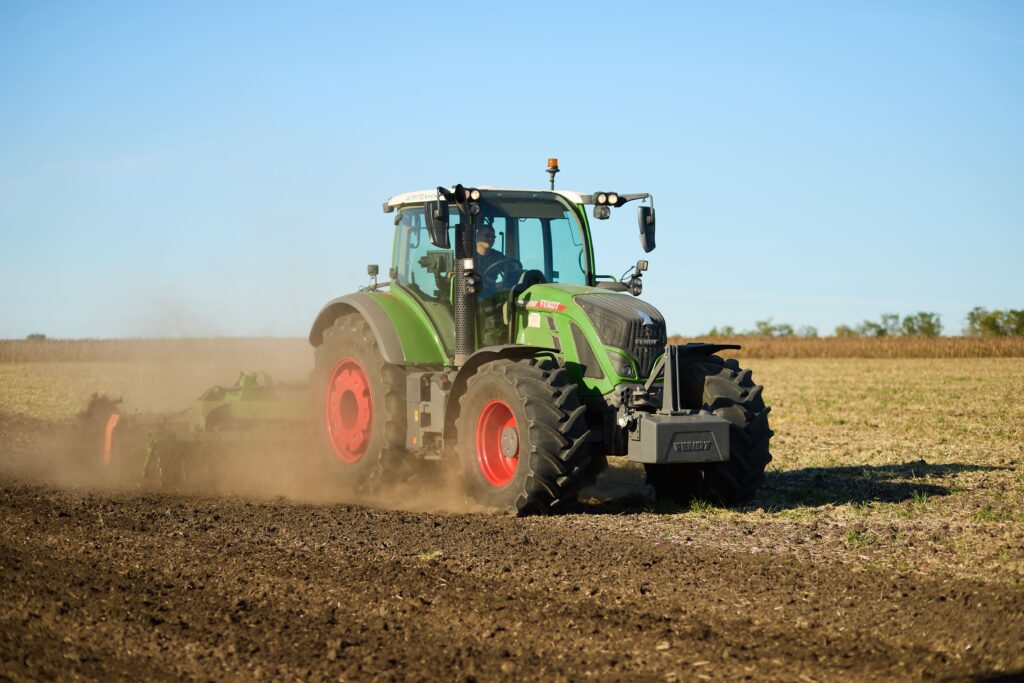
For Ukrainian farmer Roman Kirsa, modernising agricultural machinery meant more than simply replacing old equipment. His goal was to change the way his farms operate – from reacting to breakdowns, weather and rising costs to managing production with greater efficiency and resilience.
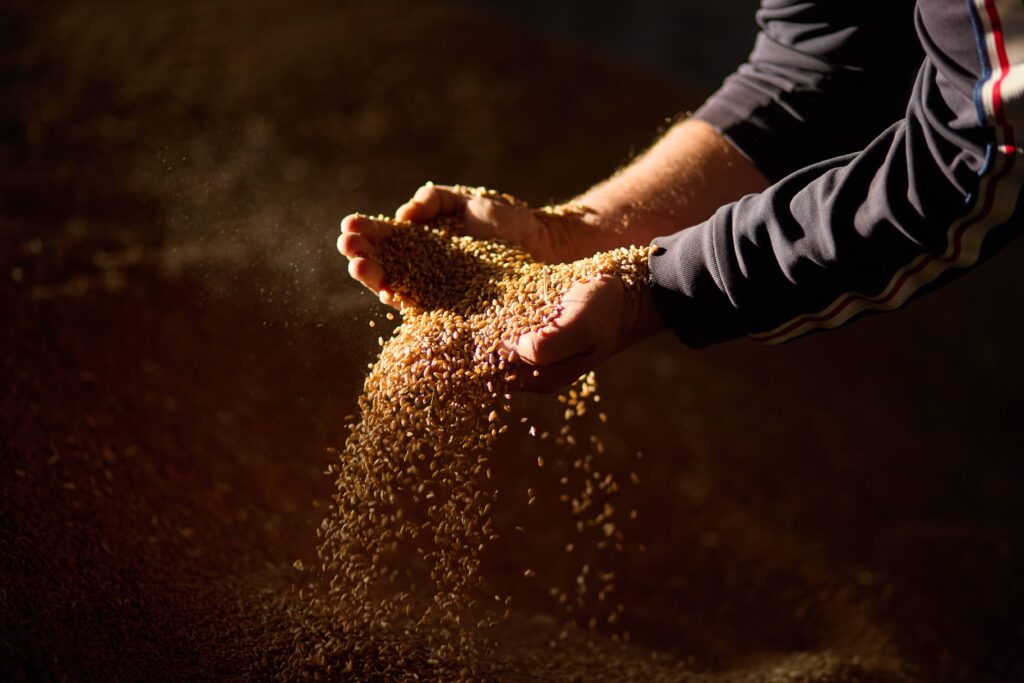
Through his two agricultural enterprises, Agrokairon and Spilna Nyva, Roman grows wheat, barley, corn, sunflowers and rapeseed in the Dnipropetrovsk region, selling produce to processors and traders across Ukraine. With support from the EU4Business-EBRD Credit Line, the companies have invested in new tractors and precision seeding equipment, helping reduce fuel consumption, improve working conditions and strengthen their ability to operate in the challenging conditions created by Russia’s full-scale war against Ukraine.
Roman Kirsa has been building his agricultural business for more than a decade. He founded Agrokairon in 2013 and expanded his operations in 2017 by acquiring Spilna Nyva. Today, the two enterprises cultivate almost 700 hectares of land.
For years, the farms have relied on heavy manual labour for cultivation. Climate change, rising production costs and dependence on weather conditions added to the challenge. Then came Russia’s full-scale invasion of Ukraine, disrupting supply chains, increasing the cost of fuel and fertilisers and creating new risks for agricultural workers operating close to the frontline.
War-induced disruptions also left farms facing a shortage of qualified workforce – equipment operators, agronomists and drivers. At the same time, power outages created additional risks for grain storage and drying operations.
Yet some of the biggest challenges were already visible before the war: ageing machinery and production methods were making everyday operations increasingly costly and difficult to manage.
“My workday often began with repairs rather than operational planning,” shares Roman. “Frequent breakdowns during the peak of the sowing or harvesting seasons caused us to miss critical deadlines, which in turn could cost us a share of the total harvest.”
Repair costs could consume up to 25% of the seasonal budget, while outdated machinery also used more fuel.
Precision was another problem. Without modern navigation and monitoring systems, operators had to manually control field operations, increasing the risk of overlaps and missed areas during seeding, fertiliser and crop-protection applications. Roman estimates that inefficient practices could result in up to 10–15% resource waste.
“I was spending too much time reacting to daily issues rather than acting proactively. I knew switching to modern equipment would allow me to shift my focus from machinery oversight to strategic management and increasing efficiency across every hectare,” says Roman.
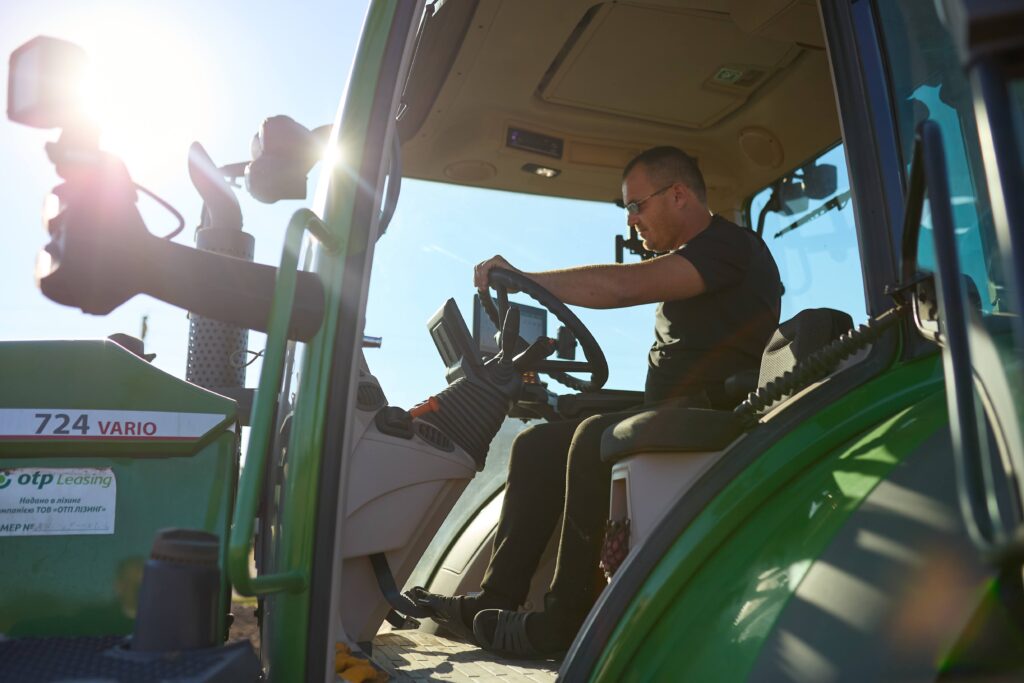
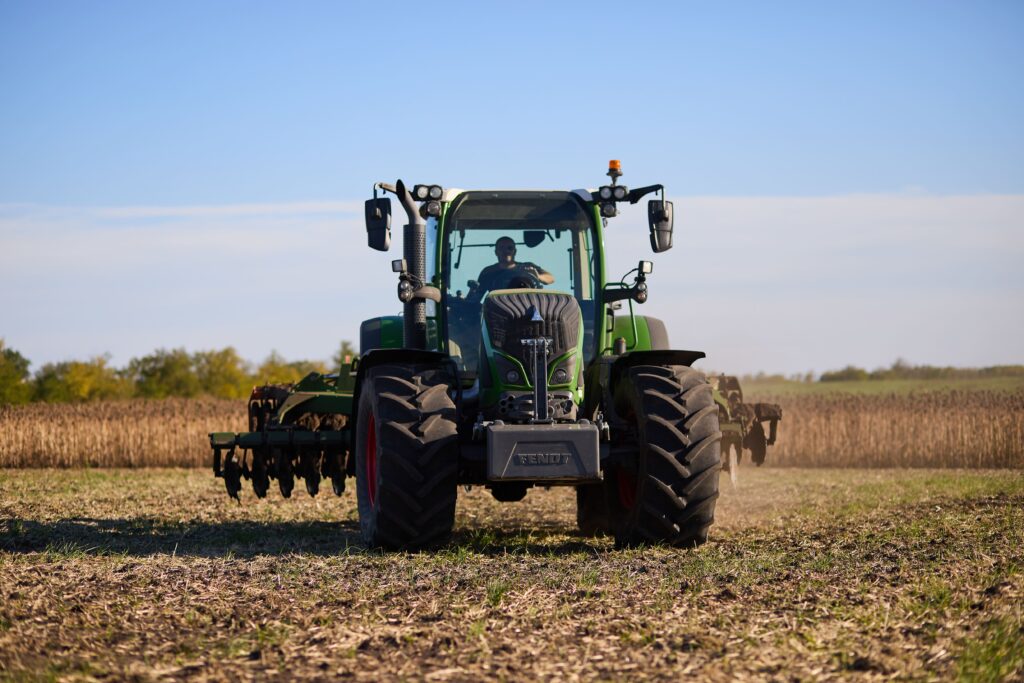
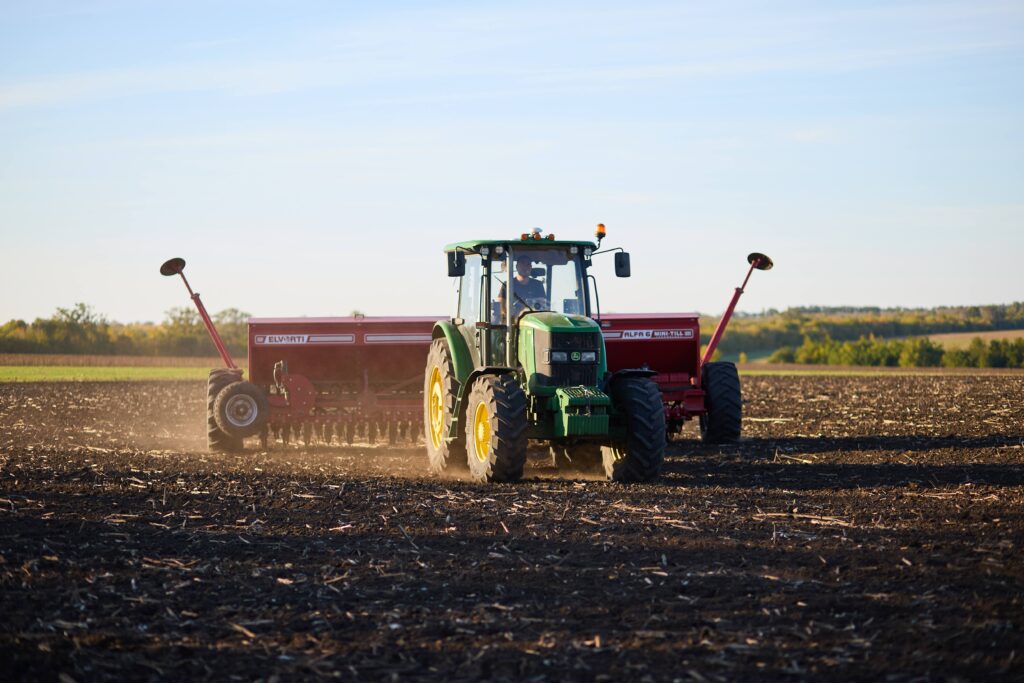
Through the EU4Business-EBRD Credit Line, both enterprises under his management were able to invest in modern agricultural machinery and precision farming technologies.
Spilna Nyva received two investment loans totalling €119,212, supported by a 10% EU-funded investment incentive. The company purchased a tractor and a pneumatic precision seed drill, choosing equipment from a list of pre-approved technologies, which made the assessment and approval process faster and easier.
Agrokairon applied for a €113,771 loan to buy another tractor. The investment was supported by a 25% investment incentive, comprising a basic 10% incentive and an additional 15% incentive under the Veteran and War-Affected Persons Reintegration Window, available to MSMEs employing war veterans, providing further support to a farm operating in critical conditions.
The machinery meets modern European environmental and energy-efficiency requirements, including Stage V emissions standards.
However, the investment brought more than the purchase of modern machines. It offered a different way of farming.
The new equipment has automated many previously manual operations and introduced technologies such as GPS navigation, telemetry and digital monitoring.
For operators, this means less physical and mental strain and greater safety in the field, while the farms benefit from more accurate seeding and application of inputs, faster field operations and better use of fuel, seeds and fertilisers.
Additionally, certified supplier specialists helped configure the new equipment, trained operators to use onboard computers and precision farming systems and provided guidance on maintenance.
Professional advice on seeding and fertiliser application settings have already helped the enterprises reduce fuel consumption by 12% and increase the speed of soil cultivation.
The investment incentive also played an important role in maintaining liquidity, as the enterprises were able to redirect the freed-up funds towards fuel and fertilisers needed for the next agricultural season.
“Thanks to the support, we not only stayed afloat but also managed to adapt to wartime realities, preserve jobs and continue ensuring Ukraine’s food security,” Roman Kirsa says.
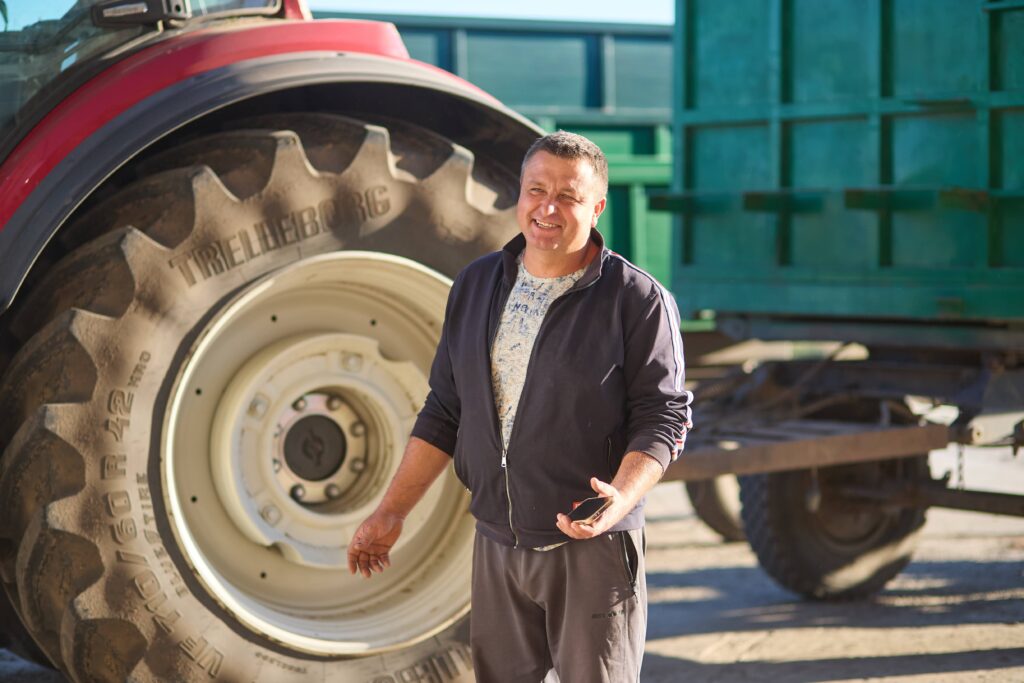
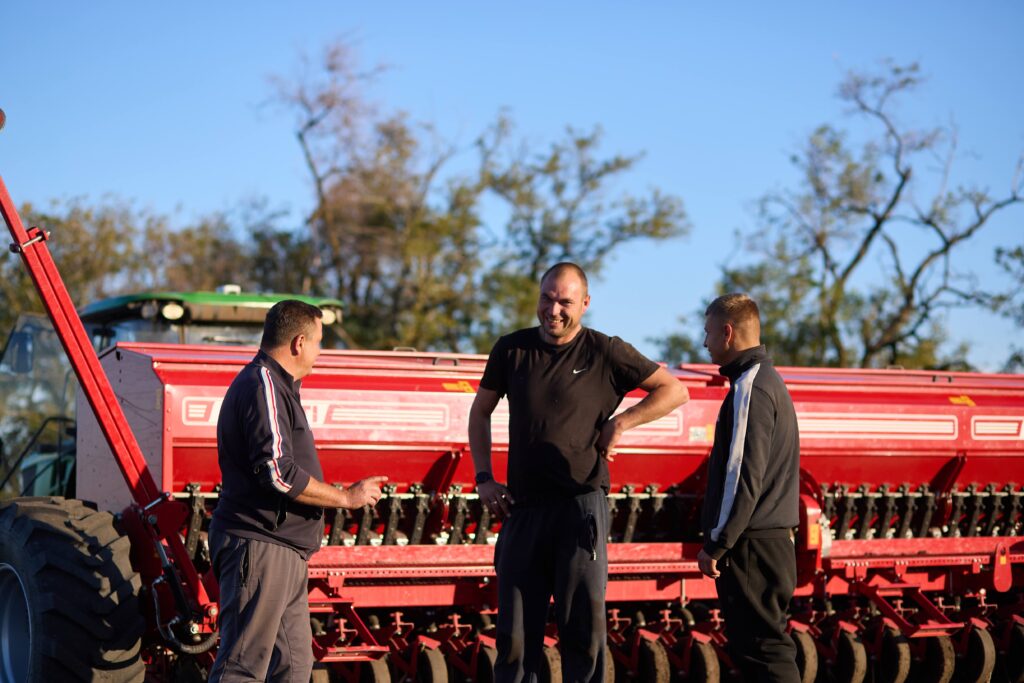
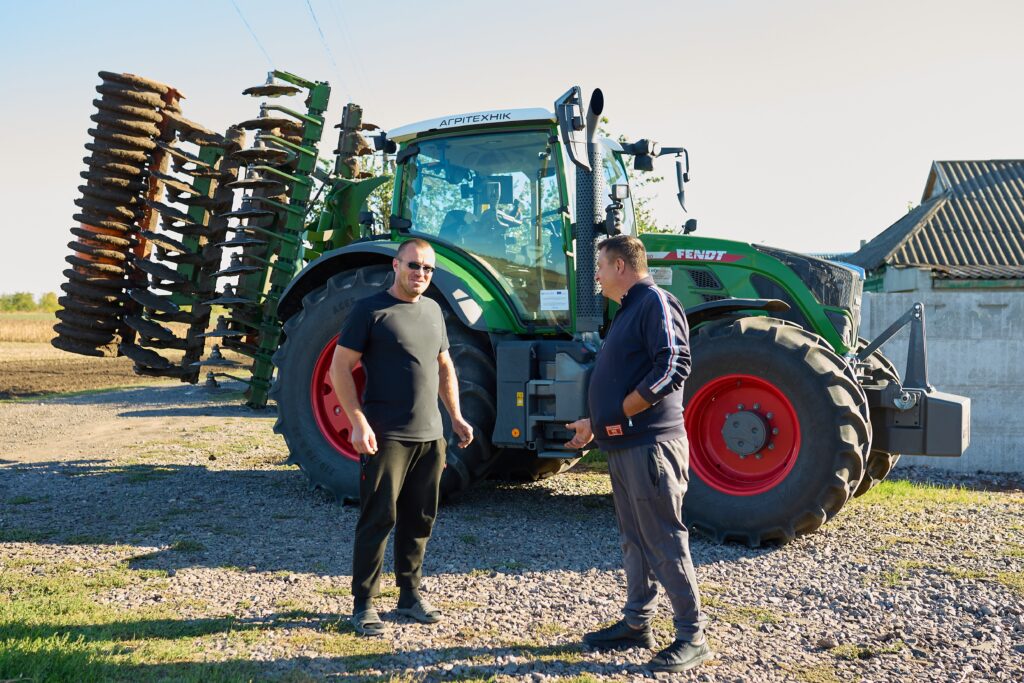
The impact of the investment is visible not only in the field. For Roman, perhaps the most important change is the ability to manage the farms proactively.
Instead of personally checking every field to understand what is happening and accepting breakdowns as an unavoidable part of the season, he can rely on data and digital systems to support strategic decisions.
The result is a business that is better positioned to control production costs, improve profitability per hectare and withstand external shocks.
The modernisation also supports the farms’ longer-term ambition to meet European quality and environmental standards and, over time, develop export opportunities.
“My primary ambition as an agricultural producer is to transform from a traditional raw material supplier into a high-tech, environmentally sustainable and profitable agribusiness,” shares Roman.
The next stage of growth will focus on expanding precision farming, adopting minimal-tillage practices to conserve soil moisture and diversifying crop rotation with potentially higher-margin or niche crops such as soybeans, rapeseed, medicinal herbs or organic berries.
For two agricultural enterprises operating in one of Ukraine’s most challenging regions, modernisation has therefore become more than an investment in machinery. It is an investment in the ability to keep people employed and keep producing food even under extraordinary circumstances – ultimately, an investment in the future.